

How Play Builds a Child’s Brain: The Science of Play and Child Development
There is a question I often hear from parents: “What can I do to help my child develop a strong brain?”
The answer is usually much less complicated than people expect.
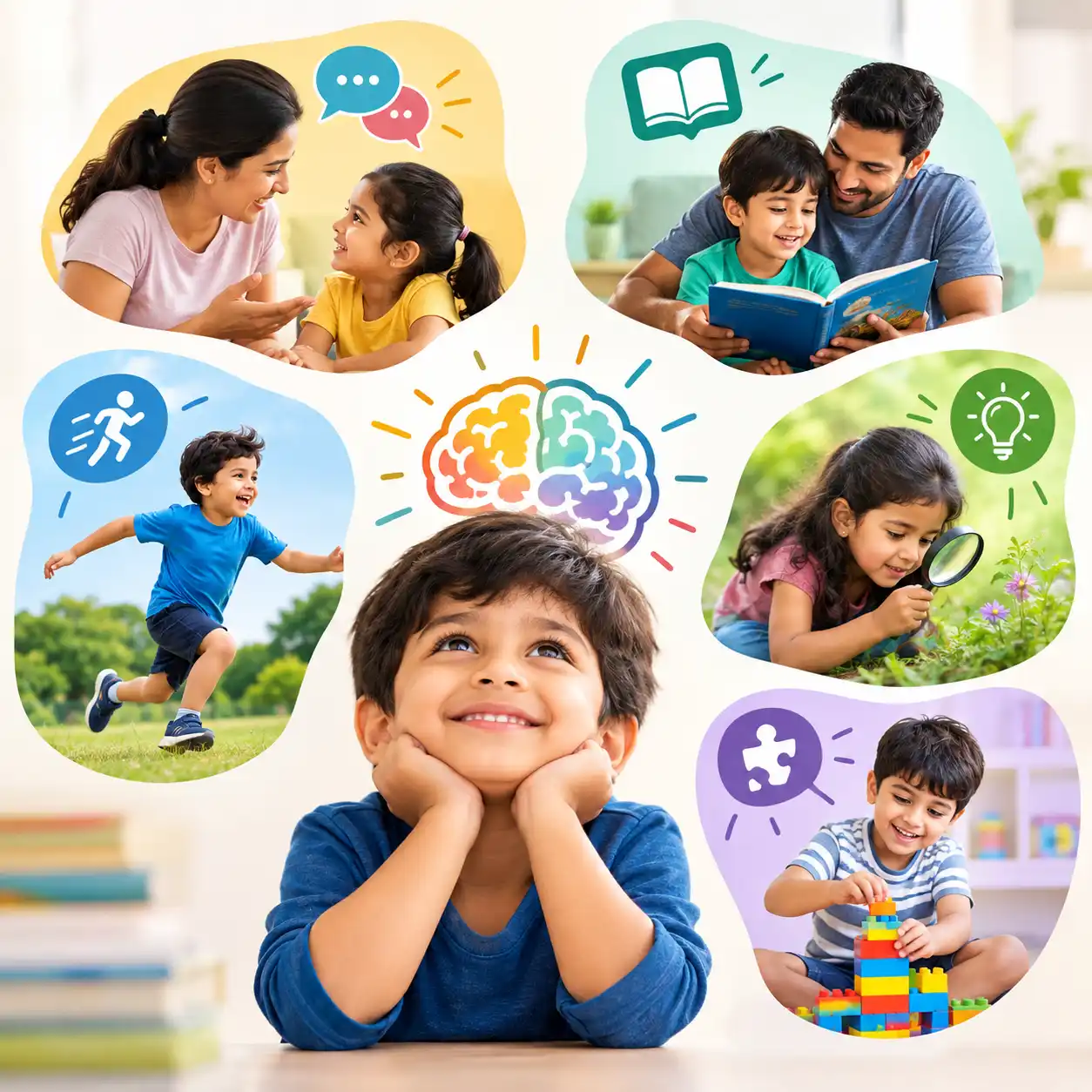
Talk to them, read to them, let them move, explore, and, importantly, let them play.
In a world where childhood can sometimes become filled with classes, worksheets, activities, and academic targets, we can forget something fundamental: play is not time away from learning. For a young child, play is one of the ways learning happens.
Developmentally appropriate play is an important opportunity for children to build cognitive, language, social-emotional, and self-regulation skills.
What is happening inside the brain during play?
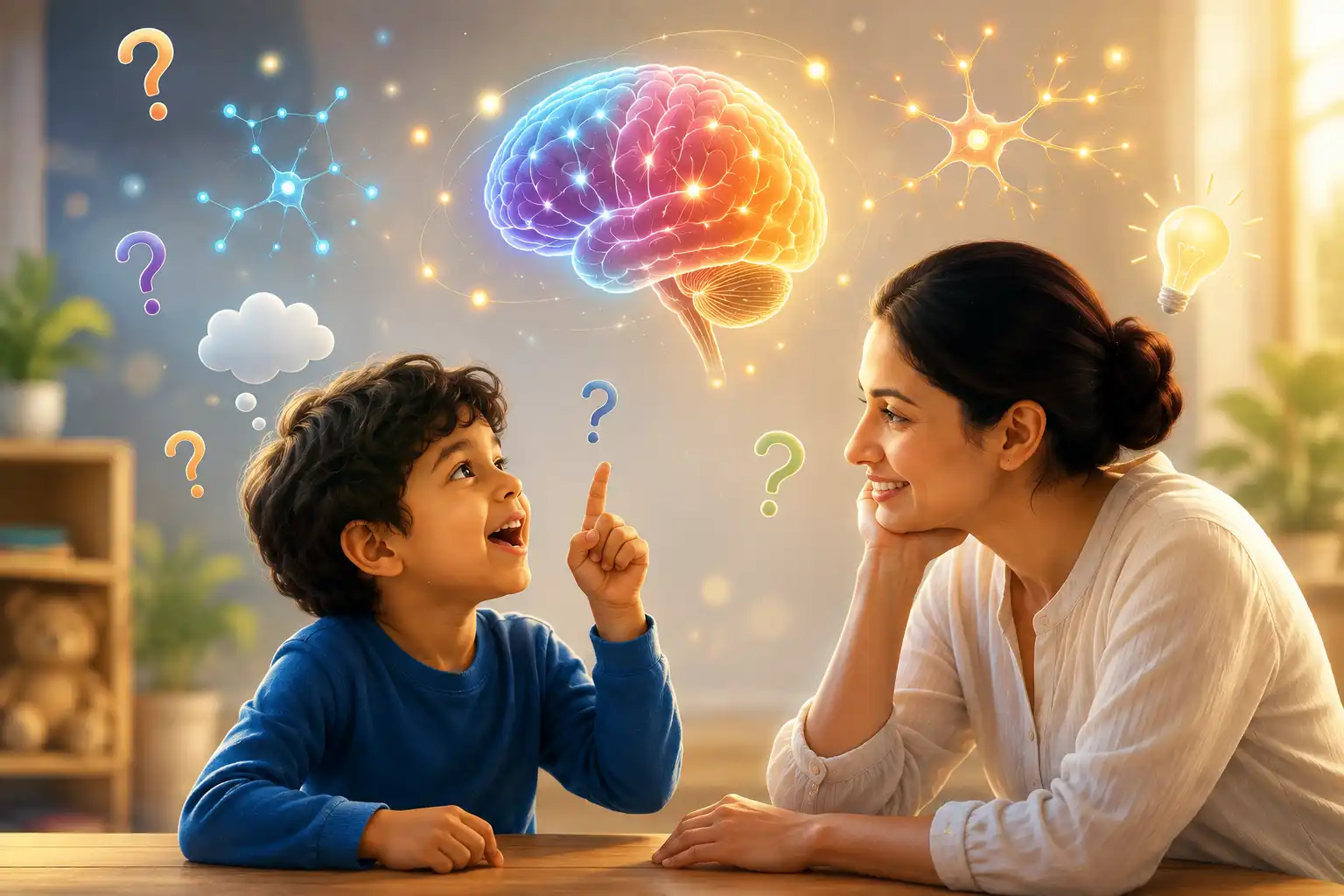
Watch a child building a tower with blocks. It may look like a simple game. But their brain is asking questions constantly.
How should I balance this? What happens if I put this piece here? Why did it fall? Can I try again?
That involves attention, problem-solving, motor coordination, memory, and flexible thinking.
Play allows children to experiment, make mistakes, adjust their approach, and try again. These are not just academic skills. They are foundations for learning and adapting throughout life.
Play is practice for executive function
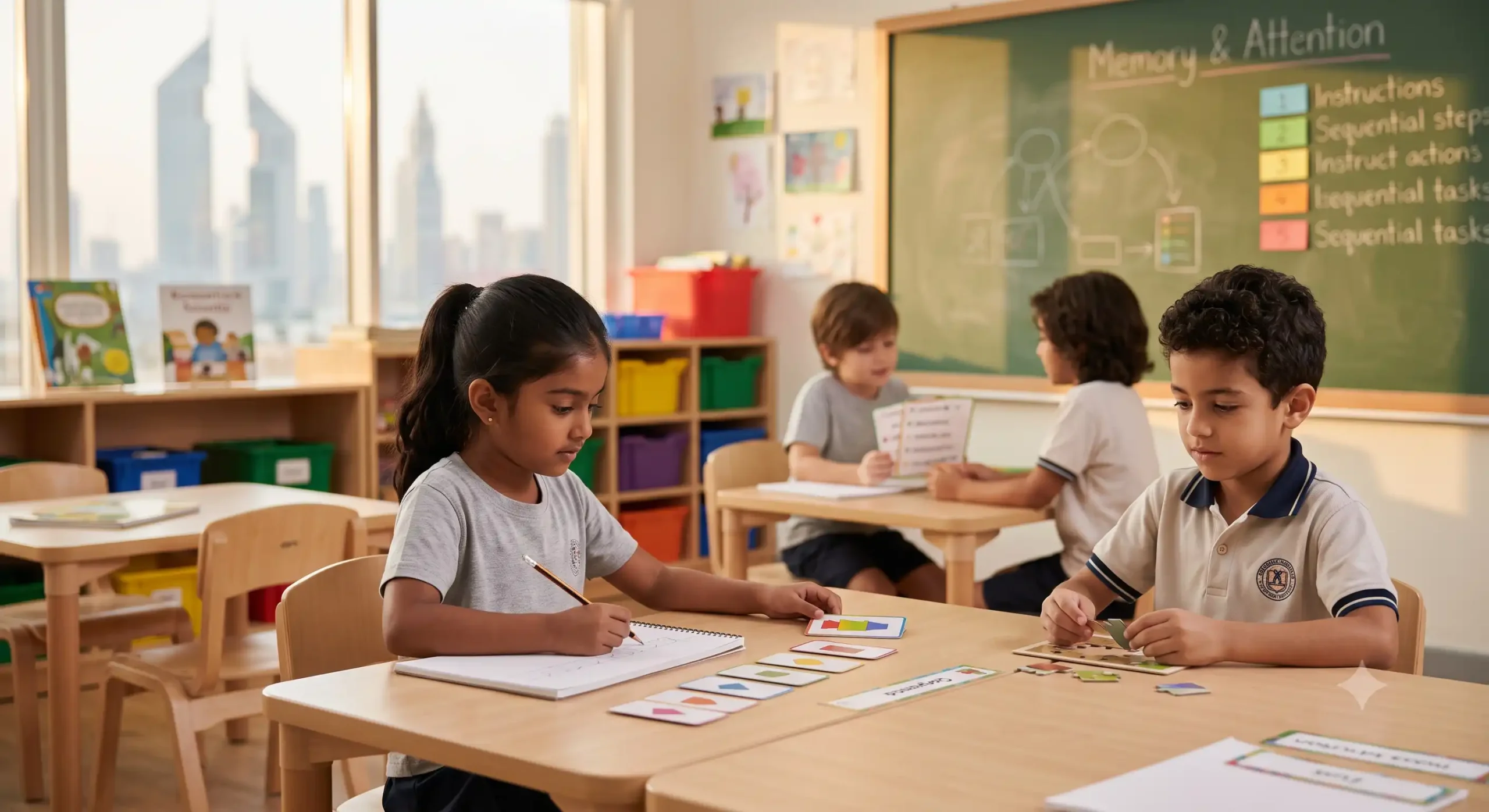
One of the most important things children develop through play is executive function, the set of mental skills that helps us hold information in mind, control impulses, pay attention, and switch between different tasks.
Consider a simple game of Simon Says.
A child has to listen carefully, remember the rule, and stop themselves from copying you when you don’t say “Simon Says.”
That is working memory + attention + inhibitory control being practised through a game.
Similarly, pretend play requires children to remember an imaginary situation, follow changing rules and shift between different roles.
Don’t underestimate physical play
Running around, climbing, jumping, balancing and playing catch are doing more than tiring your child out before bedtime.
Physical play helps develop fundamental movement skills and coordination. Research also increasingly links physical activity in childhood with benefits for cognition, attention and mental health.
And there is another important benefit.
Children constantly have to regulate themselves during active play: How hard should I throw? When should I stop? Can I wait for my turn?
The body is moving, but the brain is learning too.
Role of imagination
Give a child a cardboard box, and they may see a spaceship, a house, or a shop. That freedom matters.
When children engage in imaginative play, they practise using symbols, language, perspective-taking and flexible thinking. They create situations, negotiate rules and solve problems as they go.
You don’t always need to show them how to play. Sometimes, giving them the space to figure it out is the more valuable experience.
Playing together matters too
Some of the most meaningful play doesn’t require any special equipment. A game of peek-a-boo, building a tower together, pretending to cook, or reading the same book for the tenth time.
These back-and-forth interactions give children opportunities to communicate, respond, take turns, and regulate emotions within a safe relationship.
Does play need to be educational?
Not every game needs a learning objective. In fact, constantly turning play into a lesson can take away some of the curiosity that makes play so valuable.
Let your child lead sometimes. Follow their interests, ask questions, and offer help when they need it, but don’t solve every little problem for them.
There is a useful middle ground between completely unstructured play and an adult-directed activity: guided play, where the child remains actively involved while an adult gently supports or extends the experience.
A reminder for parents
Play is not just something children do when they have “nothing else to do.” It is one of the ways their developing brains learn to move, communicate, solve problems, manage emotions, and make sense of the world.
You don’t need to make every moment educational. Give your child time to play, explore, imagine, and even get a little bored. These simple experiences can support healthy brain development in ways that worksheets and structured activities cannot always replicate.
If you have concerns about your child’s development, learning, attention, movement, or behaviour, Dr. Aman PS Sohal, Pediatric Neurologist in Dubai, offers specialised assessment and guidance to help you understand your child’s neurological needs and support their development.