



What Your Child’s Eyes Can Tell Us About Their Brain
When we look at our child, we often notice their eyes first.
But from a neurological perspective, the eyes tell us much more than whether a child can see clearly. Vision is a brain function, and the way a child looks, tracks, focuses, and responds to visual information can provide useful clues about how their visual system is developing.
That doesn’t mean every unusual eye movement is a sign of a neurological problem. Most are not. But understanding the connection between the eyes and brain can help parents know what is worth paying attention to.
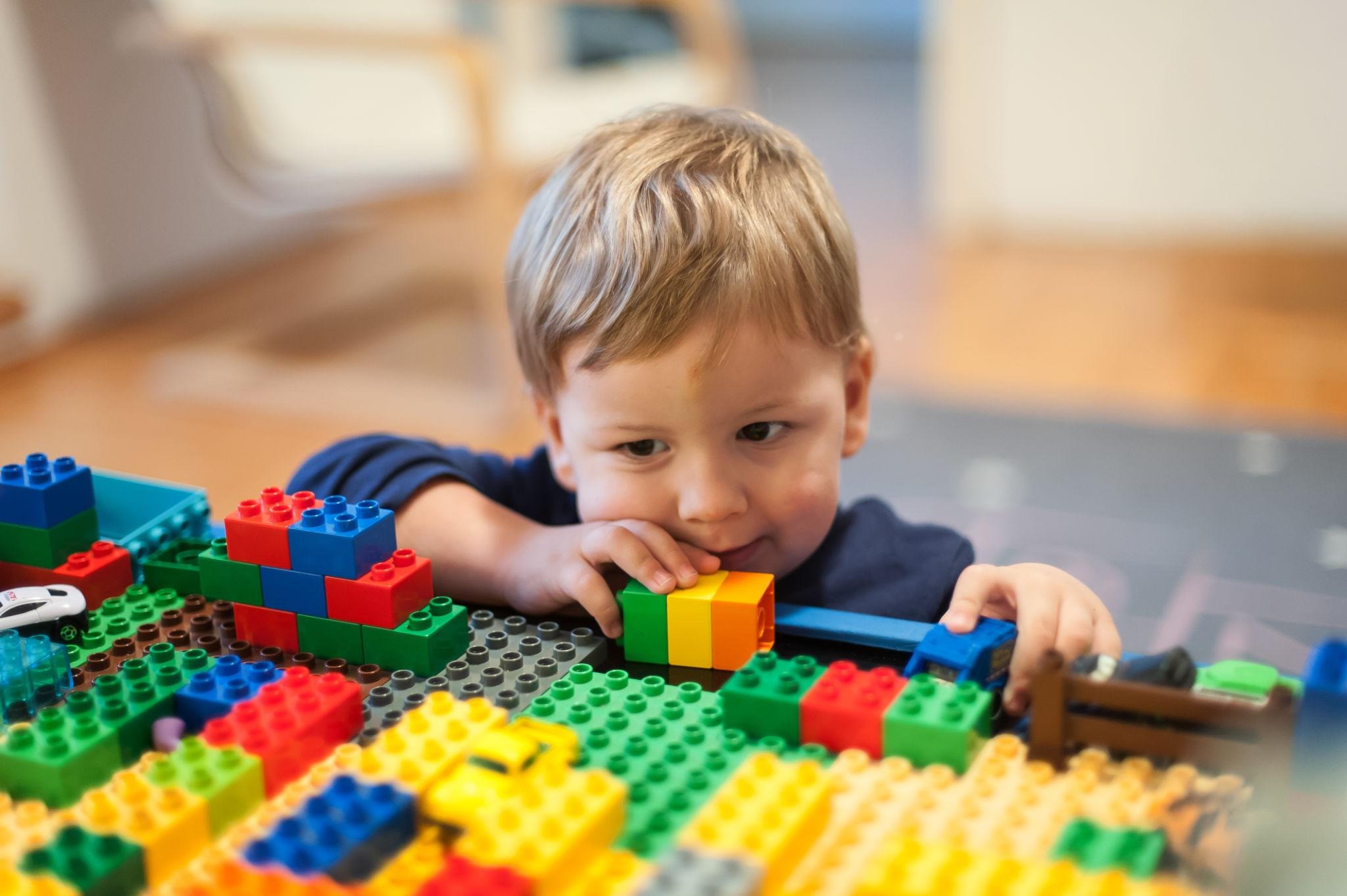
The connection between eyes and brain
The eyes see and the brain makes sense of what we see.
The eye captures light and sends visual information through the optic nerves and visual pathways to different areas of the brain. The brain then has to interpret that information.
It helps us recognise faces, judge distance, notice movement, understand where objects are in space, and coordinate what we see with how we move.
So when a baby follows a moving toy with their eyes or reaches for an object they see, several brain systems are working together.
Seeing is only the first step. The brain has to make sense of what the eyes are seeing.
What does a neurologist look for?
During a child’s examination, eye movements can provide useful information about the nervous system.
A doctor may observe:
- Eye alignment: Do both eyes appear to work together?
- Tracking: Can the child smoothly follow a moving object?
- Pupil responses: Do the pupils respond appropriately to light?
- Eye movements: Are they coordinated and symmetrical?
- Visual attention: Does the child notice and respond to objects or people visually?
When can eye movements provide neurological clues?
Certain eye movements can sometimes point towards an underlying problem involving the eyes, brain, or the pathways connecting them.
For example, nystagmus refers to involuntary, rhythmic eye movements. It can have many causes, including conditions affecting vision or the nervous system.
A sudden change in eye alignment, persistent abnormal eye movements, double vision, or a new difficulty coordinating the eyes also deserves medical attention.
The important point is not to diagnose a condition based on an eye movement alone.
The eyes are one part of the neurological examination, and doctors interpret them alongside the child’s overall development, history, and examination.
Vision and development
A child’s visual system develops alongside other skills.
As babies grow, vision supports:
- Reaching and grasping
- Hand-eye coordination
- Exploring their surroundings
- Recognising familiar people
- Understanding space and distance
- Developing early visual attention
Later, visual processing becomes important for activities such as reading, writing, drawing and navigating the environment.
But it is also important to remember that not every learning difficulty is caused by a vision problem. Reading and learning involve many different brain systems, including language, attention, memory, and executive function
When should parents seek an evaluation?
Parents should consider speaking with a doctor if they notice a persistent or new change in their child’s vision or eye movements, particularly if it is accompanied by other concerns.
These might include:
- Persistent eye misalignment
- New or unusual eye movements
- Frequent complaints of double vision
- A child consistently tilting or turning their head to see
- Difficulty tracking objects
- A noticeable change in vision
- Loss of previously acquired visual or developmental skills
Early assessment doesn’t necessarily mean something serious is wrong. Often, it simply helps identify whether the concern is related to vision, development, or something else.
The bigger picture
One of the things I find fascinating about child neurology is how interconnected everything is.
The eyes and brain work as a team.
When we assess a child’s eye movements or visual behaviour, we aren’t just looking at the eyes. We are also observing how the nervous system receives, processes and responds to information.
So the next time you notice your child carefully following a moving object, recognising you from across the room or reaching accurately for a toy, remember that there is a remarkable amount of brain activity behind that simple moment.
If you notice changes in your child’s vision or eye movements, don’t hesitate to seek guidance. Dr. Aman PS Sohal, a trusted child neurologist in Dubai, can help you understand what they may mean and whether further evaluation is needed.
FAQ
1. My 4-month-old doesn’t follow a toy when I move it side to side. Is this normal, or should I be concerned?
During the first 2 to 3 months of life, a baby’s visual system and eye muscles are still developing rapidly. By 3 to 4 months, most infants begin to track moving objects smoothly. However, if your child consistently struggles to focus on or follow a moving toy past 3–4 months, or if one eye seems to drift inwards or outwards regularly, it’s important to consult a pediatric neurologist or ophthalmologist to check for visual tracking or developmental delays.
2. Why does my child constantly tilt their head to one side when watching television or playing with moving toys?
Children often adopt an abnormal head posture (head tilt or turn) as a compensation mechanism. Tilting or turning the head allows them to align their eyes to avoid double vision, reduce eye strain, or compensate for weakness in a specific extraocular muscle (such as strabismus or ocular motor apraxia). If you observe a persistent head tilt or turn during visual activities, schedule an evaluation with a specialist.
2. My toddler used to follow rolling balls easily, but now seems to lose track of them and frequently bumps into objects. When should we seek medical help?
Any loss of previously acquired visual or developmental skills or a sudden/new change in eye movements and tracking is a key signal to speak with a doctor immediately. While minor vision changes can occur, regression in motor/visual coordination or sudden eye misalignment requires prompt evaluation by a medical professional to rule out neurological or underlying ocular issues.