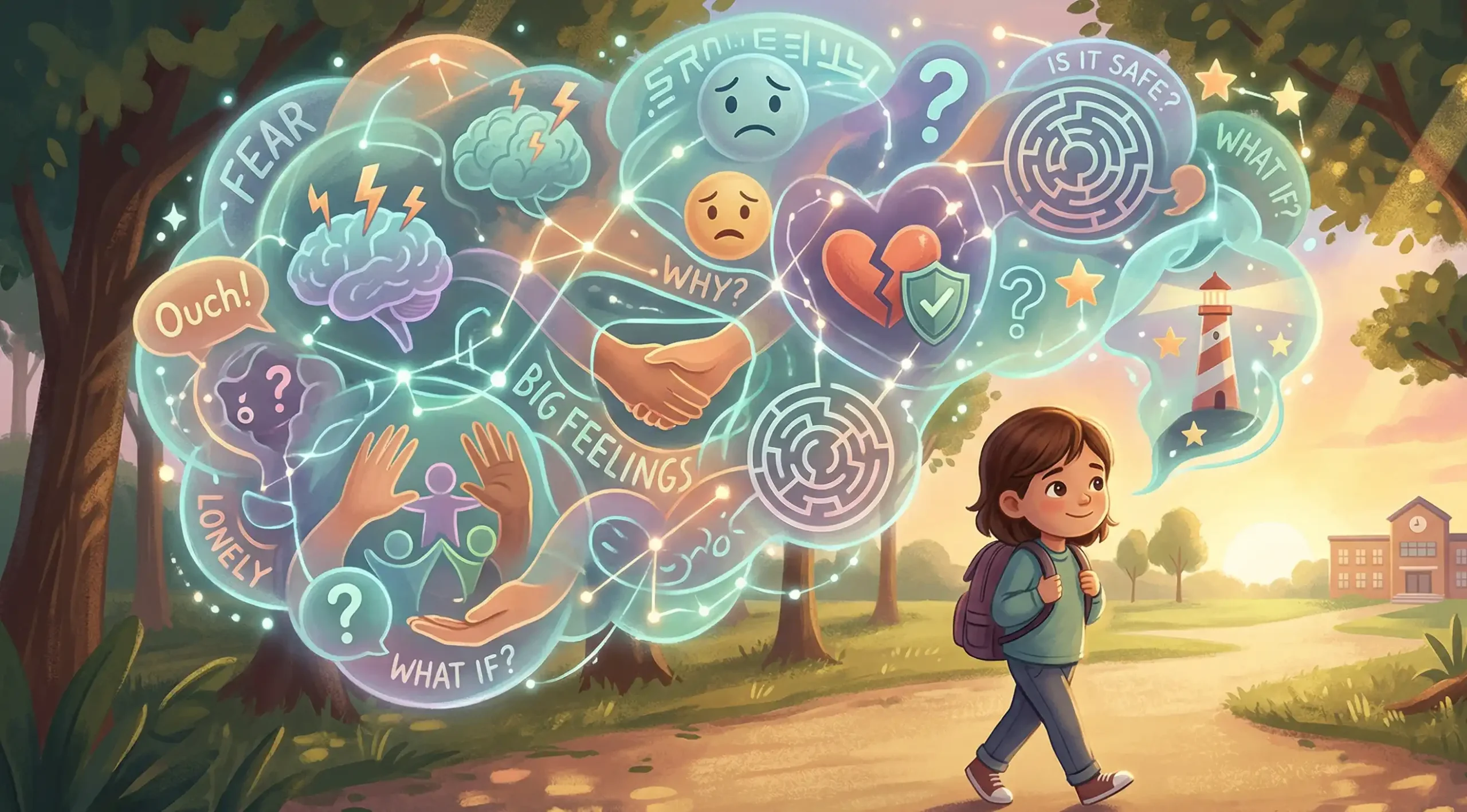


If you’ve ever looked at your teenager and thought, “Who is this child, and where did mine go?”, you’re not alone.
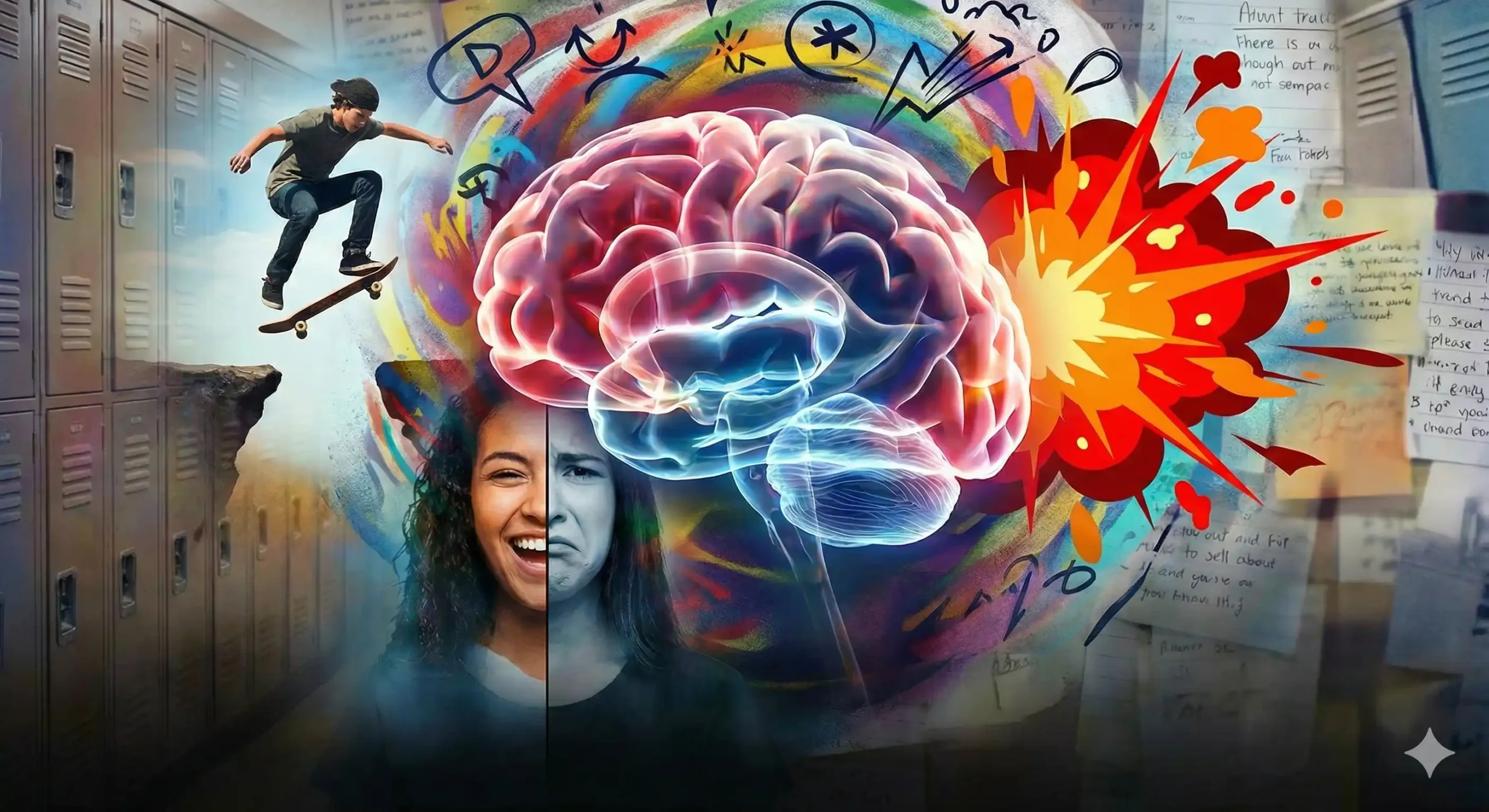
One day, they seem thoughtful and mature. The next, they’re overwhelmed, reactive, or making choices that leave you confused.
Adolescence is not just a behavioural phase. It is a neurological transition. Read this article to know more about it.
The Brain Is Still Under Construction
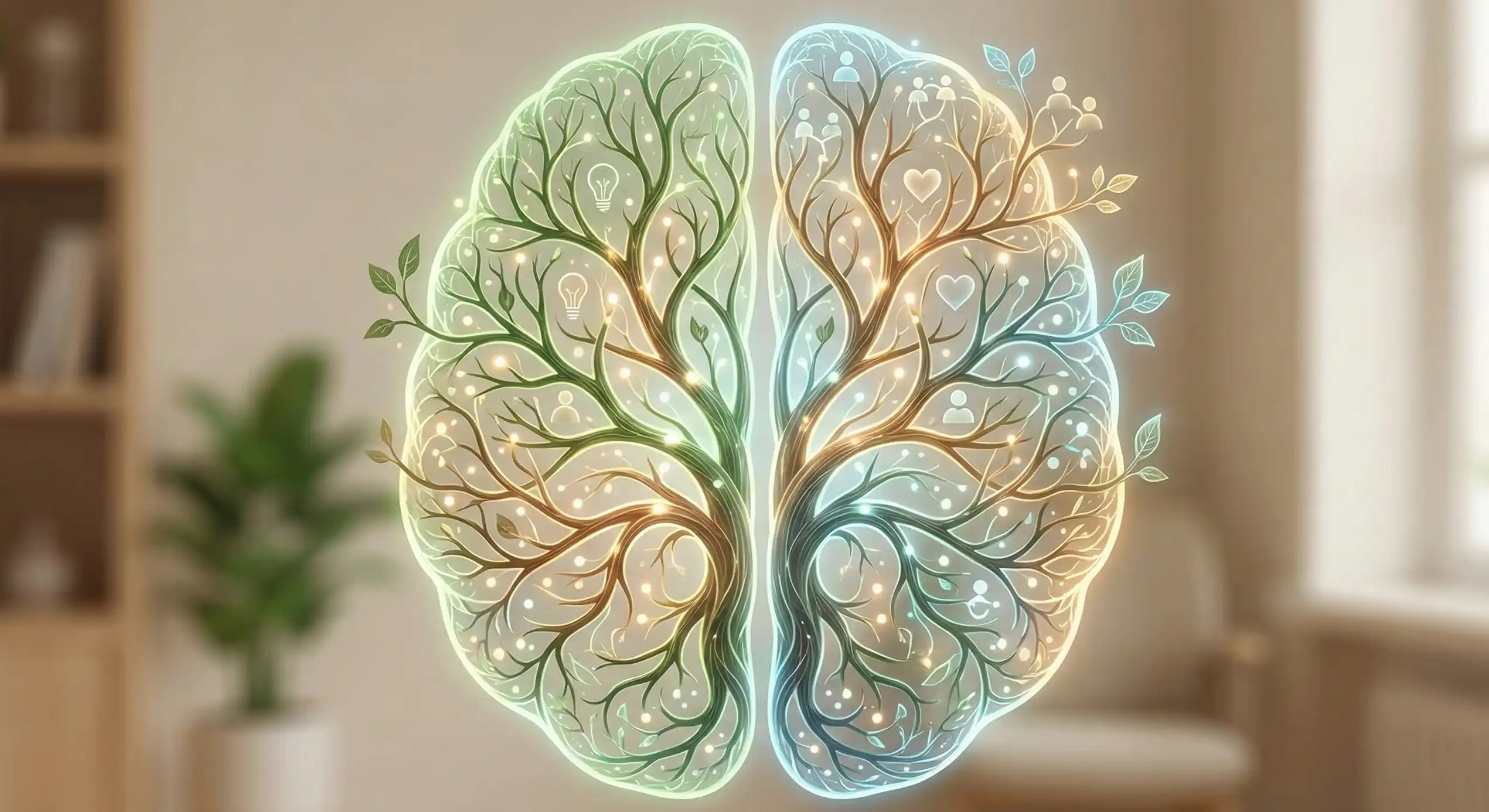
Research using MRI imaging shows that the human brain continues developing well into the mid-20s. The teenage years represent one of the most active periods of brain remodeling.
Two systems are especially important during this time:
- The limbic system, responsible for emotions and reward.
- The prefrontal cortex, responsible for impulse control, judgment, planning, and decision-making.
The emotional and reward systems mature earlier than the control system. This mismatch explains much of teenage behaviour.
Why Mood Swings Increase
The limbic system, particularly a structure called the amygdala, becomes more sensitive during adolescence. Hormonal shifts amplify this sensitivity.
Brain imaging studies show that teenagers process emotional situations more intensely than adults. They may react faster and more strongly because the emotional center of the brain is highly active.
At the same time, the calming, reasoning part of the brain is still refining its connections.
So when a teen reacts strongly to what seems like a small issue, it’s not drama, it’s heightened neurological sensitivity.
Why Risk-Taking Peaks In Adolescence
Adolescence is also marked by increased dopamine activity, the brain’s reward chemical. Teen brains are particularly sensitive to rewards, novelty, and peer approval.
Studies show that teenagers take more risks in the presence of peers because social approval activates the reward circuits more strongly during these years.
This doesn’t mean teenagers are careless. In fact, some level of risk-taking is developmentally important. It encourages independence, exploration, and learning.
The challenge is helping teens channel this drive into safe and constructive experiences.
Emotional Outbursts: What’s Happening Neurologically
Functional MRI studies reveal that teenagers often rely more on the amygdala (emotion center) than the prefrontal cortex when interpreting emotional facial expressions.
They feel first. Think second.
Adults tend to process situations with more frontal-lobe regulation. Teenagers are still building those regulatory pathways.
That’s why saying “just think before you act” doesn’t always work. The thinking system is still strengthening.
This Is Not Bad Parenting
Many parents quietly wonder, “Did I do something wrong?”
The answer, in most cases, is no.
These behaviours are largely explained by normal brain maturation. That said, brain development doesn’t mean there should be no guidance.
Teenagers still need structure, boundaries, and support, but delivered in ways that match their neurological stage.
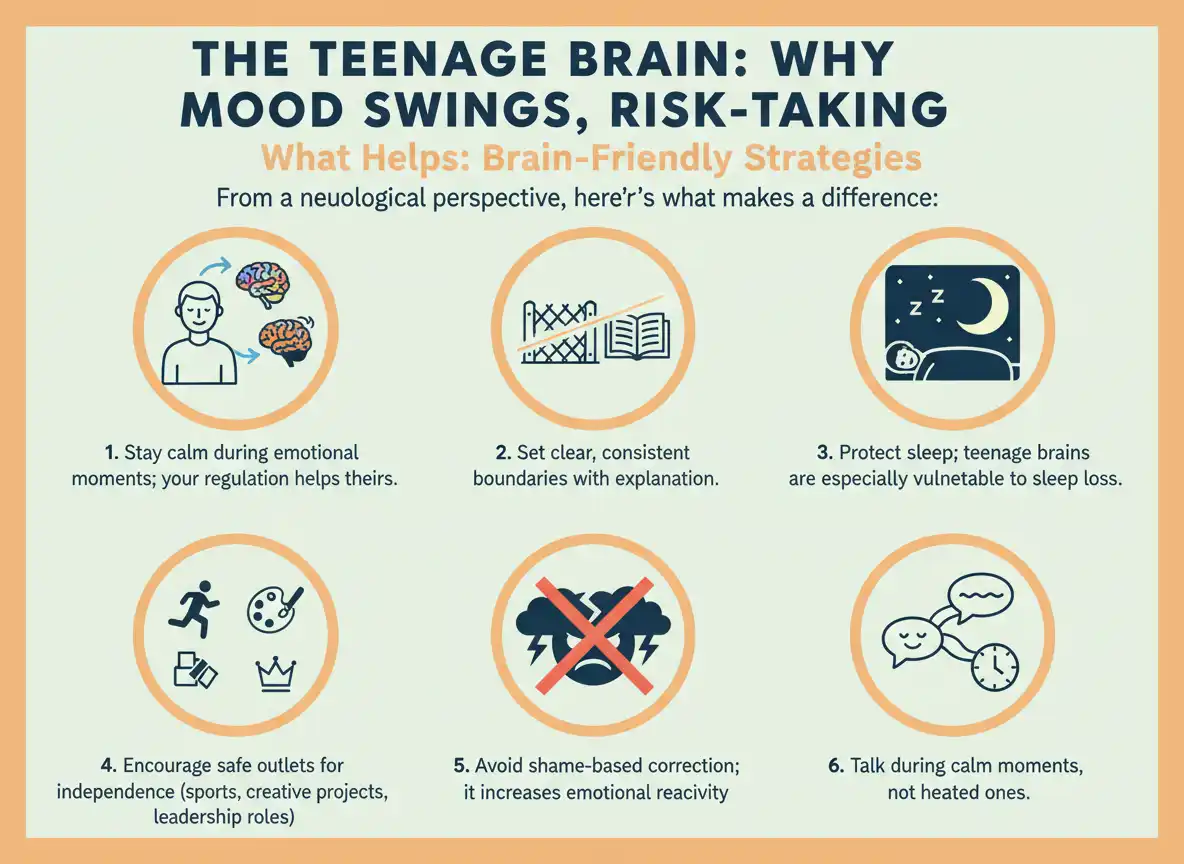
What Helps: Brain-Friendly Strategies
From a neurological perspective, here’s what makes a difference:
- Stay calm during emotional moments; your regulation helps theirs.
- Set clear, consistent boundaries with explanation.
- Protect sleep; teenage brains are especially vulnerable to sleep loss.
- Encourage safe outlets for independence (sports, creative projects, leadership roles).
- Avoid shame-based correction; it increases emotional reactivity.
- Talk during calm moments, not heated ones.
Your presence and steadiness help strengthen their regulatory systems over time.
When To Seek Support
While mood swings and experimentation are normal, consider professional guidance if you notice:
- Persistent sadness or withdrawal
- Severe risk-taking behaviour
- Sudden academic decline
- Ongoing sleep disruption
- Functional impairment across settings
Early support does not mean overreacting. It means being proactive.
Reminder for Parents
The teenage brain is not broken. It is building.
Adolescence is a period of intense growth, pruning, and wiring, shaping the adult brain your child will carry forward.
Your role during this stage is not to control every reaction, but to provide stability while their brain learns to regulate itself.
If you’re navigating the ups and downs of adolescence and feeling uncertain, you are not alone. You can reach out to Dr. Aman Sohal, leading Pediatric Neurologist in Dubai, for a detailed evaluation and guidance tailored to your child’s needs.