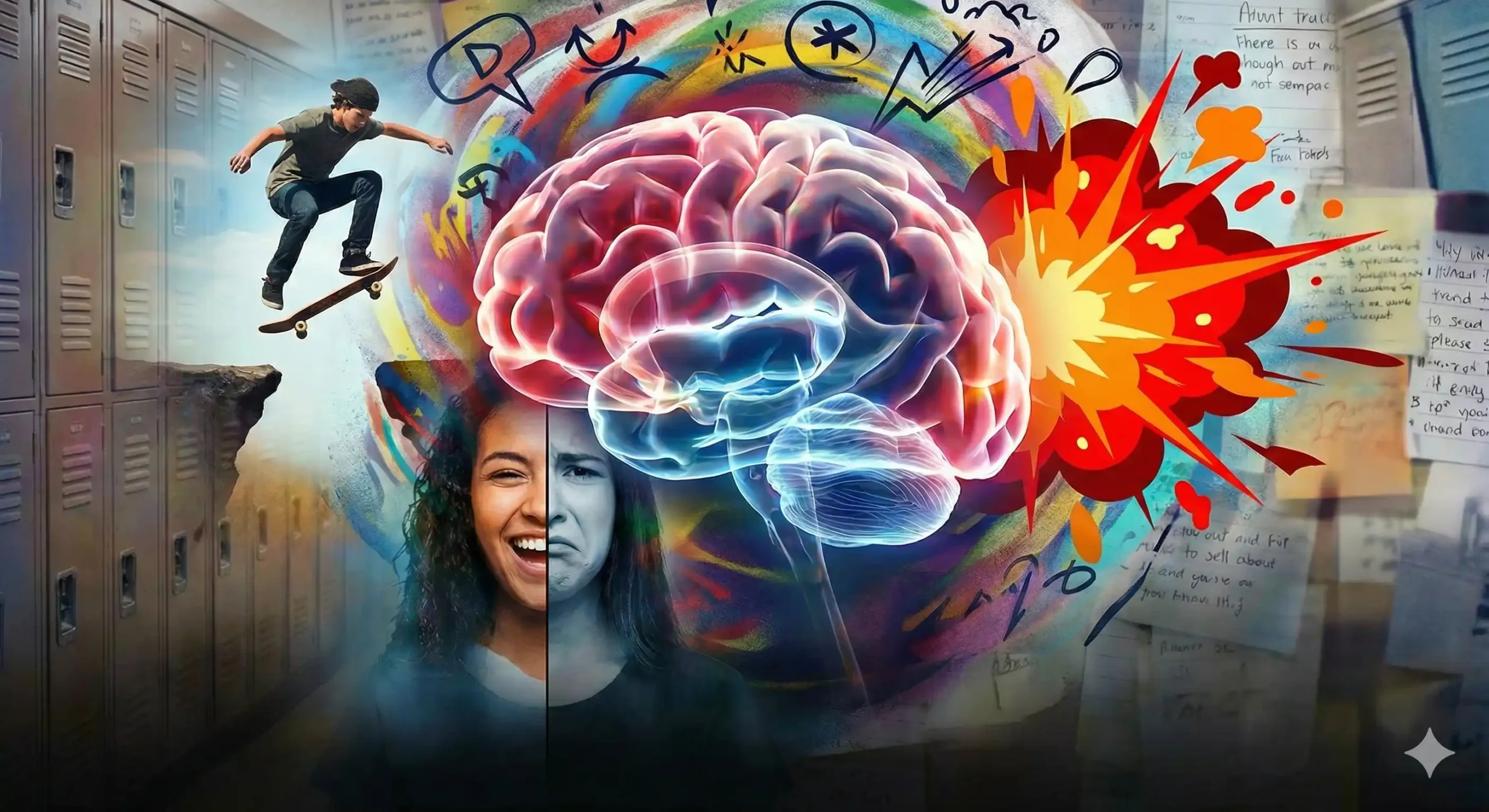


Parents often ask me whether scrolling endlessly on screens affects their child’s brain. And my honest answer is, yes, it does. In fact, doomscrolling, something we once associated only with adults, is now becoming a very real concern in children as young as 8, 10, and 12.
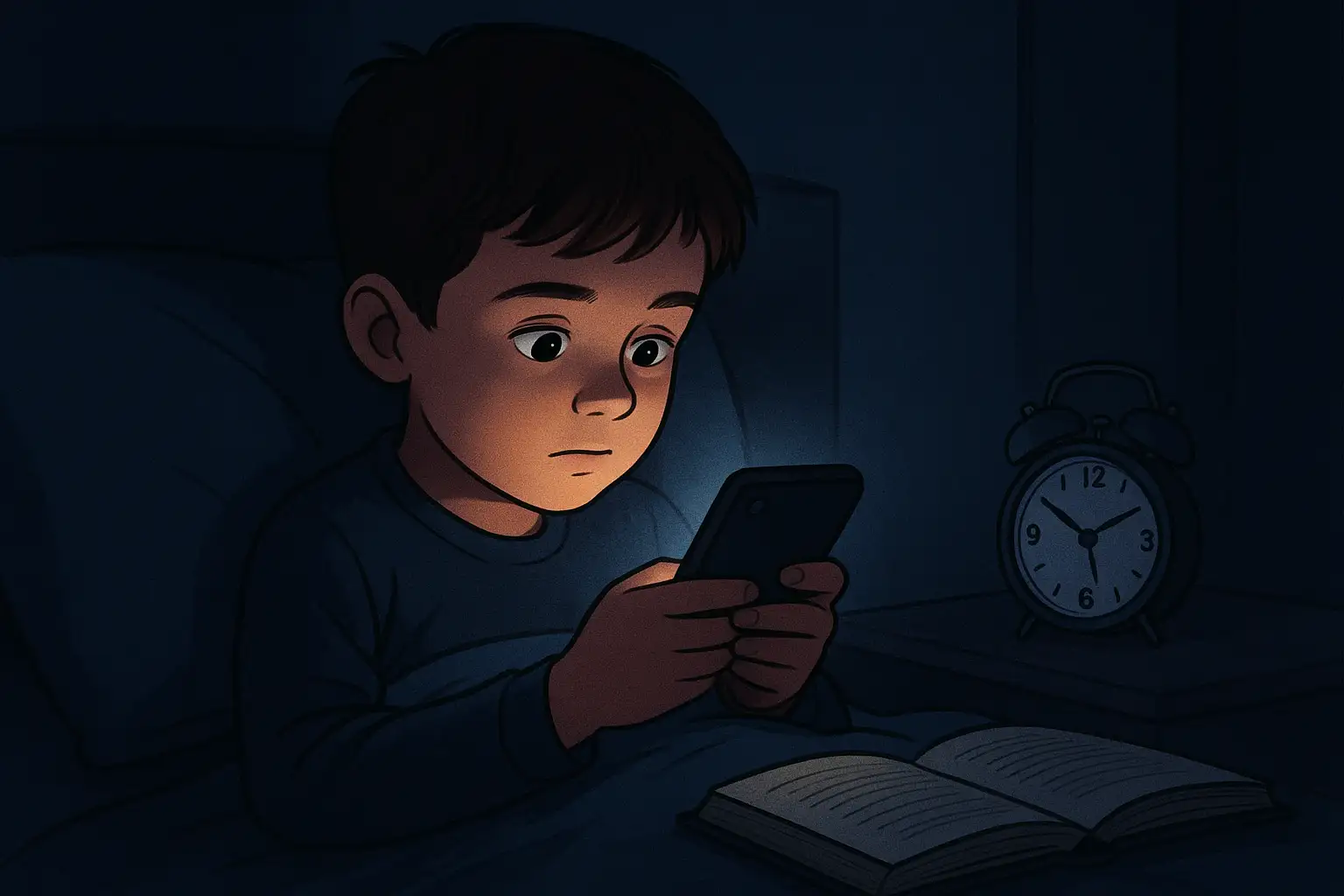
Your child picks up a phone “just for a minute,” and 45 minutes later, they’re still swiping through random videos, overstimulated, irritable, and unable to disconnect. It’s not a lack of discipline. It’s biology.
Children’s brains are wired for novelty, and the digital world gives them endless stimulation, faster than their brains can regulate.
What Exactly Is Doomscrolling?
In simple words, doomscrolling is our tendency to keep scrolling through endless content, often negative, dramatic, or emotionally intense, without being able to stop.
For children, this is especially challenging because their:
- attention systems are still developing,
- impulse control isn’t mature,
- and emotional regulation relies heavily on adults.
Their brain is constantly asking for “more,” because every swipe gives a tiny dopamine reward.
Over time, this rewires the pathways responsible for attention, motivation, learning, and mood.
Why Children Are Especially Vulnerable
Research shows that children exposed to fast-paced digital content may experience:
- shortened attention spans,
- difficulty focusing on slower, real-world tasks,
- increased anxiety,
- emotional overload or numbness,
- and challenges with sleep due to melatonin suppression.
Neurologically, doomscrolling overstimulates the reward circuits while reducing activation in areas responsible for planning, patience, and self-regulation.
This is why many children today struggle with boredom, not because they’re “spoiled,” but because their brains are accustomed to constant, rapid stimulation.
Why Countries Like Australia Are Stepping In
This issue is serious enough that Australia recently moved toward restricting social media access for children under 16, with verification laws under development.
The decision comes from rising global evidence linking excessive social media exposure to:
- anxiety and depression,
- cyberbullying,
- attention difficulties,
- sleep disruption,
- impulsive behaviour,
- and reduced academic performance.
When governments start regulating digital exposure, it’s a clear sign that this isn’t just a parenting issue; it’s a public health concern.
And as a pediatric neurologist, I can tell you, children’s developing brains simply aren’t built for unlimited digital stimulation.
So What Can Parents Do? Here Are Some Brain-Friendly Steps
Small, consistent habits can make a meaningful difference:
1. Create digital curfews
No screens 1–2 hours before bedtime to protect sleep and melatonin.
2. Keep devices out of bedrooms
Bedrooms should be for sleep, not scrolling.
3. Teach mindful scrolling
Show children how to pause, reflect, and choose content consciously.
4. Co-view when possible
Younger children process content better when an adult guides them.
5. Reintroduce “boredom”
Unstructured play, outdoor time, and downtime help reset attention pathways.
6. Model healthy habits
Children learn digital behavior by watching adults.
Reminder For Families
Your child isn’t “addicted” in a moral sense. Their brain is responding exactly the way it’s designed to when exposed to nonstop stimulation. The goal isn’t to ban screens, it’s to bring balance, awareness, and healthier rhythms into their day.
If you’ve noticed irritability, trouble sleeping, or difficulty focusing after your child uses screens, you’re not alone, and it’s not your fault.
Have you observed doomscrolling in children , habits in your child? Let’s talk about how to support healthier digital routines in a way that works for your family.