

When a child is diagnosed with a neurological condition, we naturally focus on the physical symptoms. Will the seizures stop? Will the headaches improve? Will my child be able to concentrate better?
These are all important questions. But over the years, I’ve noticed another question emerging during conversations with families: “Doctor, my child has become more anxious lately. Is that related?” Often, the answer is yes.
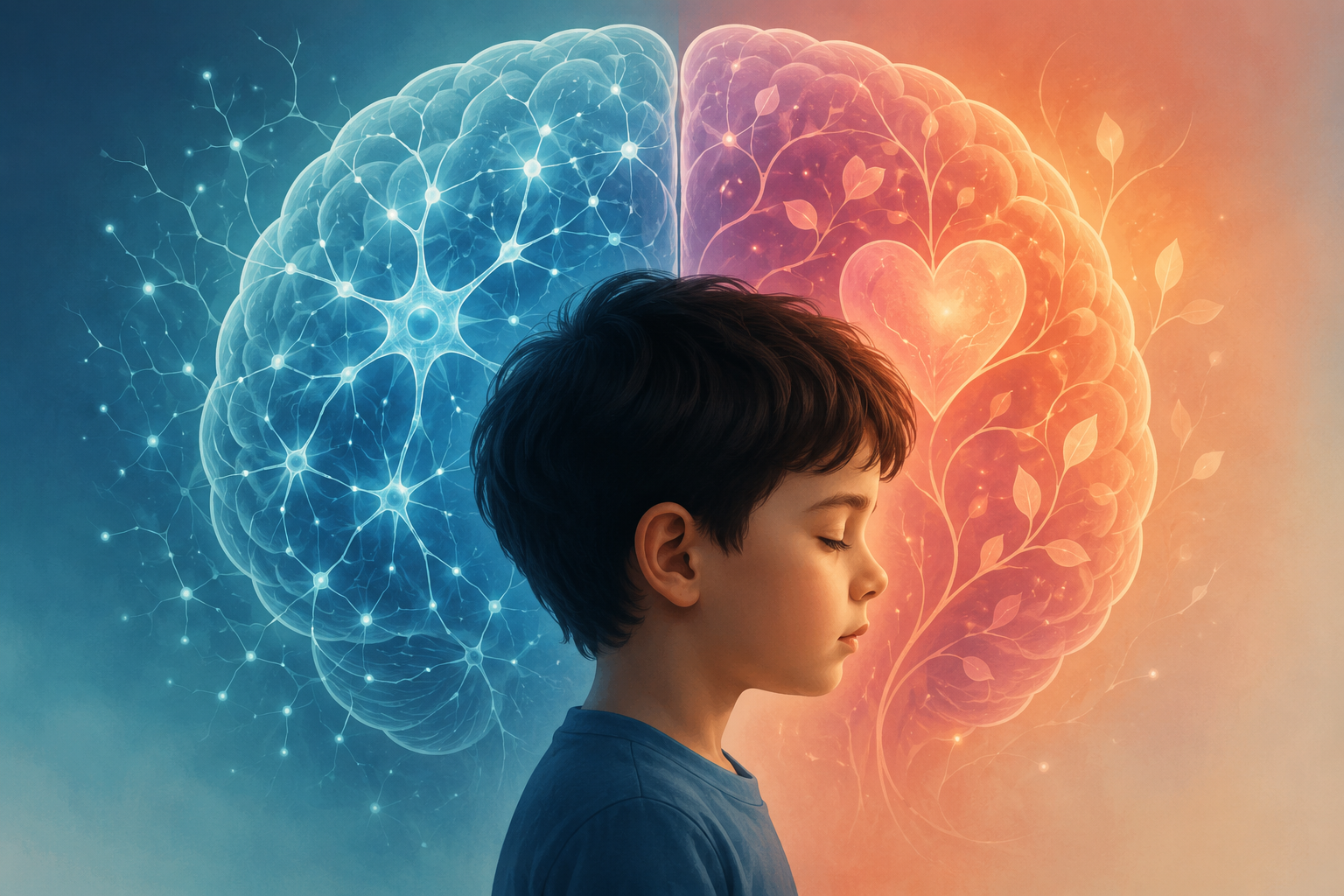
Many people think of neurological conditions and mental health as two completely separate worlds. Neurology is seen as dealing with the brain, while mental health is thought of as dealing with emotions. The truth is much more interesting. The brain doesn’t make that distinction.
One brain, many functions
The same brain that allows your child to walk, speak, learn, and remember also helps them regulate emotions, cope with stress, build relationships, and feel motivated.
There isn’t one part of the brain that only manages movement and another that only manages feelings. Instead, different brain regions work together in highly connected networks.
For example, the prefrontal cortex helps us plan, make decisions, pay attention, and regulate emotions. The amygdala helps us recognise and respond to emotional experiences such as fear or excitement. The hippocampus supports learning and memory while also playing a role in how we process stress. These areas are constantly communicating with one another.
This is why neurological health and emotional wellbeing are deeply connected; they are both functions of the same remarkable organ.
Why neurological conditions often affect emotional wellbeing
Research consistently shows that children with neurological conditions are more likely to experience anxiety, low mood, or emotional difficulties than their peers.
This doesn’t happen because children are “not coping well.” Nor does it mean the symptoms are “all in their head.”
Part of the explanation lies in shared brain circuits. Conditions such as ADHD, epilepsy, migraine, cerebral palsy, and traumatic brain injuries can involve networks that also influence attention, emotional regulation, sleep, motivation, and stress responses.
The condition itself can also bring real-life challenges. For instance:
- A child living with epilepsy may worry about having a seizure at school.
- A child with chronic migraines may miss activities they enjoy.
- A child with a movement disorder may become more aware of feeling different from their friends.
These experiences can understandably affect confidence, mood, and emotional wellbeing.
The relationship works both ways
One of the most fascinating things neuroscience has taught us is that this relationship is bidirectional.
Just as neurological conditions can influence mental health, emotional wellbeing can also affect neurological symptoms.
Stress and anxiety do not cause conditions like epilepsy or migraine. However, they can make symptoms harder to manage. Poor sleep, increased muscle tension, heightened stress responses, and changes in daily routines may all contribute to more frequent headaches, greater fatigue, reduced concentration, or lower quality of life.
This is one reason neurologists pay close attention to emotional health as part of overall brain health.
The brain functions as one integrated system, not a collection of isolated parts.
Looking beyond the diagnosis
Sometimes, when families receive a neurological diagnosis, so much attention is placed on scans, medications, and treatment plans that emotional wellbeing quietly moves into the background.
Yet children rarely experience a diagnosis in isolation. They experience friendships, school, sports, confidence, family life, and how they feel about themselves.
As clinicians, our goal should never be to treat only the diagnosis. Our goal is to care for the child living with that diagnosis.
Supporting both the brain and emotional wellbeing
One of the encouraging aspects of neuroscience is that many of the same habits that support brain health also support emotional health.
- Good sleep helps improve attention, learning, and emotional regulation.
- Regular physical activity supports brain development while reducing stress.
- Predictable routines help children feel safe and reduce anxiety.
- Open conversations allow children to express worries before they become overwhelming.
For some children, working with a psychologist or counsellor alongside their neurologist can make a meaningful difference. Supporting emotional wellbeing is not separate from neurological care; it is part of comprehensive neurological care.
A message for parents
If your child has a neurological condition and you’ve noticed changes in their mood, confidence, or behaviour, please know that you are not imagining it, and your child is not “being difficult.”
The brain does not separate physical health from emotional health. Neither should we.
When we care for both, we give children the best opportunity not only to manage their condition, but also to thrive, learn, build resilience, and enjoy childhood.
Because at the end of the day, we are not simply treating a brain. We are looking for the holistic well-being of the child.
FAQ
1.Can neurological conditions like ADHD and epilepsy affect a child’s mental health?
Yes. Children with neurological conditions such as ADHD, epilepsy, migraines, and developmental disorders may also experience anxiety, mood changes, or emotional challenges. Since the brain controls both neurological and emotional functions, these conditions can be closely connected. Early assessment by a pediatric neurologist in Dubai can help identify both neurological and mental health concerns, allowing for a more comprehensive treatment plan.
2. When should I consult a pediatric neurologist in Dubai for my child with ADHD or epilepsy?
You should consult a pediatric neurologist in Dubai if your child has seizures, frequent headaches, developmental delays, attention difficulties, hyperactivity, learning concerns, or emotional and behavioral changes. Children diagnosed with ADHD or epilepsy who develop anxiety, depression, sleep disturbances, or sudden changes in behaviour may benefit from a neurological evaluation to determine the underlying cause and the most appropriate management.
3.How does Dr. Aman PS Sohal help children with epilepsy, ADHD, and related neurological conditions in Dubai?
Dr. Aman PS Sohal, a Pediatric Neurologist in Dubai, provides comprehensive evaluation and personalized care for children with epilepsy, ADHD, developmental disorders, headaches, movement disorders, and other neurological conditions. His approach considers both neurological symptoms and emotional well-being, working closely with families to improve the child’s overall health, development, and quality of life through evidence-based treatment and long-term support.